Tout savoir sur l’ESTA
Partir aux USA pour vivre le rêve américain durant un séjour temporaire est une expérience incroyable, mais qui demande quelques démarches administratives. En effet, les ressortissants étrangers ont besoin d’une autorisation de voyage pour fouler le sol américain, même pour une courte durée. Pour ce faire, il existe plusieurs solutions, mais l’ESTA reste l’autorisation la plus intéressante, à l’instar du visa américain.
Pourquoi est-il indispensable d’avoir un document ESTA pour aller aux USA ? C’est la question à laquelle nous répondons dans cet article.
Présentation de l’ESTA
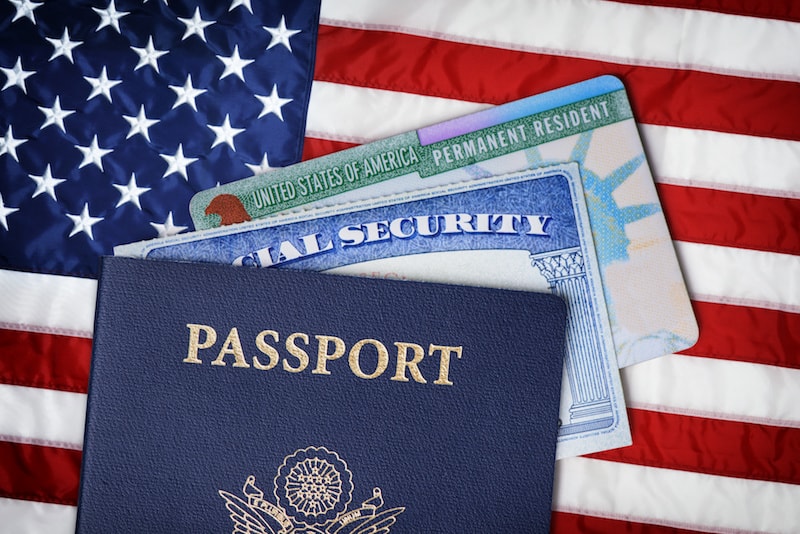
L’ESTA est l’acronyme d’Electronic System for Travel Authorization, en français autorisation de voyage électronique. Ce document a été instauré en 2009, dans le cadre du programme d’exemption de visa qui permet à de nombreux ressortissants de voyager avec une plus grande facilité vers le territoire américain. Ainsi, ces derniers n’ont plus besoin de passer par la case visa USA auprès de l’ambassade américaine, mais simplement de remplir une demande en ligne via un formulaire ESTA.
Voici la liste des pays concernés par le VWP :
- Allemagne,
- Andorre,
- Australie,
- Autriche,
- Belgique,
- Brunei,
- Chili,
- Corée du Sud,
- Danemark,
- Espagne,
- Estonie,
- Finlande,
- France,
- Grèce,
- Hongrie,
- Irlande,
- Islande,
- Italie,
- Japon,
- Pays-Bas,
- Lettonie,
- Liechtenstein,
- Lituanie,
- Luxembourg,
- Malte, Monaco,
- Norvège,
- Nouvelle-Zélande,
- Portugal,
- République Tchèque,
- Royaume-Uni,
- Saint-Marin,
- Singapour,
- Slovaquie,
- Slovénie,
- Suède,
- Suisse et Taïwan.
Comme vous pouvez le constater, la France fait partie des pays membres du dispositif. Cette autorisation peut être sollicitée depuis le site officiel du gouvernement américain ou via un site spécialisé dans la demande d’ESTA. Pour cela, il suffit de remplir le formulaire ESTA du site concerné, puis de vous acquitter de la somme demandée. C’est une formalité simple et la délivrance de l’autorisation est rapide. Que vous commandiez votre ESTA sur le site du gouvernement ou sur un site privé, l’autorisation sera exactement la même, puisque l’autorisation émane des autorités américaines.
Pour réaliser une demande ESTA, il vous suffit de vous munir de votre carte de crédit et de votre passeport valide, car le numéro de passeport sera lié à votre autorisation. Le remplissage du questionnaire en ligne est une étape cruciale et il est important de ne faire aucune erreur. La faute de frappe la plus fréquente survient généralement lors du remplissage du champ consacré au numéro de passeport. Soyez donc vigilant à chaque information délivrée et relisez-vous avant de valider votre envoi de formulaire.
La durée de validité de l’autorisation ESTA est de deux ans et elle vous permet d’effectuer plusieurs voyages aux États-Unis.
Pour quelles raisons a-t-on besoin de posséder une autorisation ESTA ?
En tant qu’étranger, il est obligatoire de posséder une autorisation de voyage pour séjourner aux USA. Les touristes ont le choix entre deux autorisations. La première : le visa touristique. Cette autorisation permet au voyageur de demeurer aux États-Unis d’Amérique pendant 6 mois. Cependant, les démarches administratives sont assez conséquentes et le prix élevé. Pour faire une demande de visa, vous devez vous rendre à l’ambassade des USA.
C’est pourquoi la seconde alternative est parfaite, il s’agit de l’ESTA. Vous pouvez faire une demande d’ESTA depuis votre domicile, la réponse au formulaire en ligne vous parvient sous 72 heures et son prix est très attractif. Cependant, il faut savoir que tout le monde ne peut pas faire de demande d’ESTA. Quelques critères d’admissibilité doivent être satisfaits avant d’entamer une demande d’autorisation :
- vous devez avoir un passeport électronique ou un passeport biométrique valide ;
- votre voyage doit être d’ordre touristique, d’affaires ou un transit avant de partir vers un autre pays ;
- le séjour aux USA ne doit pas outrepasser 90 jours.
Si l’un de ces critères ne vous correspond pas, malheureusement, il faudra faire une demande de visa à l’ambassade des États-Unis avant de partir aux USA.